

Why Does My Coffee Taste Bitter at Home? A Checklist.
Why Does My Coffee Taste Bitter at Home? A Simple Checklist to Actually Find Out
Why does my coffee taste bitter at home? Work through beans, ratio, grind, and water quality in order to find coffee that is not bitter.
You've bought better beans. It's still bitter. So now what?
Why does my coffee taste bitter at home is one of those questions with too many possible answers, which is exactly why it's so frustrating. Most advice tells you to just buy fresher beans and stops there. Sometimes that's the whole fix. Sometimes it's not, and you're left just as confused as before, except now with a nicer bag of coffee that still tastes off.
The honest truth: for years, I only checked one thing when coffee tasted bitter, the beans. I never once considered that my tap water might be the actual problem until a friend switched to filtered water and texted me, confused, asking why the exact same beans suddenly tasted completely different.
By the end of this guide, you'll have an ordered checklist to actually pinpoint what's causing your bitterness, instead of guessing at the same one thing every time.

Fast Answer: Why Does My Coffee Taste Bitter at Home?
Coffee tastes bitter at home most often because of over-extraction, grind too fine, water too hot, or brewed too long, stale or over-roasted beans, or overlooked water quality issues like chlorine or heavy minerals. Work through these causes in order to find what's actually happening in your cup.
Why "Just Buy Better Beans" Doesn't Always Fix It
Here's why most people get stuck: bitterness usually does come from the beans, so that becomes the default answer for everyone. But beans are only one of four separate categories that can independently cause bitterness. Extraction problems, grind size and water temperature, can make even great beans taste harsh. Method-specific issues, like coffee sitting too long after brewing, can undo good technique entirely. And water quality, something almost nobody checks, can make a genuinely great cup taste flat or bitter for reasons that have nothing to do with your coffee at all.
This is exactly why "just buy fresher beans" sometimes fails. If your actual problem is a ratio that's too strong, water that's too hot, or tap water full of chlorine, no amount of bean-swapping fixes it. You end up cycling through bags, convinced you just haven't found the right one yet, when the real issue was never the beans to begin with.
What You'll Get From This Guide
By the end, you'll have a simple, ordered checklist to run through, so instead of guessing, you'll know exactly which category is causing your bitterness and how to fix it.
A Checklist to Find Your Actual Cause
Step 1: Check Your Beans First
What to do: Look at the roast date and check whether the bag leans on vague words like "bold" without mentioning origin or grade.
Why it works: Stale, low-quality, or over-roasted beans are still the most common cause of bitterness, so it's worth ruling out first.
If X, then Y: If the roast date is old or missing entirely, replace the beans before troubleshooting anything else.
Step 2: Check Your Ratio
What to do: Measure your coffee-to-water ratio instead of eyeballing scoops, aiming for 1:16.
Why it works: Too little water relative to coffee over-extracts and tastes harsh, even with great beans.
If X, then Y: If you've been guessing at scoops, measure once against a real 1:16 ratio and see if the bitterness changes.
Step 3: Check Your Water Temperature
What to do: Use water between 195–205°F, not straight off a rolling boil.
Why it works: Water that's too hot pulls out more bitter compounds than necessary, over-extracting the grounds.
If X, then Y: If you're pouring boiling water directly onto your grounds, let it rest off the heat for about 30 seconds first.
Step 4: Check Grind Size Against Your Brew Method
What to do: Confirm your grind matches your method, medium for drip, coarse for French press, medium-fine for pour-over.
Why it works: A grind that's too fine for your method over-extracts quickly, turning coffee bitter and sometimes muddy.
If X, then Y: If your coffee tastes bitter specifically, not just strong, coarsen your grind slightly and see if that resolves it.
Step 5: Check Your Water Quality

What to do: Taste your plain tap water on its own. If it tastes like chlorine, tastes metallic, or feels unusually heavy, try the same coffee with filtered water instead.
Why it works: Water makes up most of your cup. Heavy chlorine or mineral content can introduce bitterness or off-flavors that have nothing to do with your beans or technique.
If X, then Y: If the exact same beans and ratio taste noticeably better with filtered water, your tap water was part of the problem all along.
Step 6: Check How Long Coffee Sits After Brewing
What to do: Drink your coffee within 20–30 minutes of brewing, or move it to a thermal carafe instead of leaving it on a warming plate.
Why it works: Continued heat after brewing keeps degrading flavor, adding bitterness on top of whatever else might already be going on.
If X, then Y: If your coffee tastes fine right after brewing but bitter an hour later, this step, not your beans, is the culprit.
Still narrowing down your specific setup? Andrew's Better Morning Buying Guide can help you rule out the beans as a starting point.
Bitterness Cause vs. How to Check It vs. Fast Fix
| Cause | How to Check | Fast Fix |
|---|---|---|
| Stale or over-roasted beans | Look at the roast date and bag language | Switch to fresh, high-scoring specialty coffee |
| Ratio too strong | Are you eyeballing scoops instead of measuring | Use a 1:16 ratio |
| Water too hot | Using boiling water straight off the stove | Let water rest about 30 seconds off heat |
| Grind too fine for your method | Coffee tastes bitter or muddy, not just strong | Coarsen the grind slightly |
| Brewed or steeped too long | Grounds still in contact past your target time | Stop extraction on time for your method |
| Poor water quality | Does plain tap water taste off on its own | Switch to filtered water |
| Coffee sitting too long after brewing | Left on a warming plate or reheated | Drink within 20–30 minutes, or use a thermal carafe |
Buying Guidance: What Still Matters Once Bitterness Is Fixed
Roast date vs. best-by date. A roast date tells you real freshness. A best-by date, often months out, tells you nothing about how bitter or fresh your coffee will taste.
Fresh coffee vs. stale coffee. Fresh coffee gives every other fix in this checklist a fair chance to work. Stale coffee can undo even perfect technique.
Choosing roast levels. Medium roast tends to balance sweetness without leaning on bitterness the way heavier dark roasts sometimes do.
Single origin vs. blends. Blends, like my Deli Donut Blend, are forgiving and consistent while you're troubleshooting. Single origins are a great next step once bitterness is no longer a mystery.
Whole bean vs. ground. Whole bean holds onto freshness longer, removing one more variable from the equation. Grind fresh whenever you can.
Storage. Airtight, dark, room temperature, so freshness doesn't quietly become another hidden cause of bitterness.
Why fresh, high-scoring specialty coffee wins. It removes one entire category of possible bitterness from the equation, so you can focus on ratio, water, and technique instead. See what fresh roasted coffee beans online should include either way.
Which Coffee Should You Start With?

| If You Want... | Start Here |
|---|---|
| A dependable, low-drama daily blend while you troubleshoot | Deli Donut Blend |
| A gentle, naturally low-acid option | Chocolate Daydream Blend |
| A better shot of espresso | Espresso Blend |
| Cold brew, naturally lower in bitterness | Easy Cold Brew Kit |
| An exotic single origin once bitterness is ruled out | Peruvian Geisha |
Want more on avoiding bitterness from the start? Check out What Is The Best Tasting Coffee at Home?, or let my Best Craft Coffee Subscription keep fresh beans coming so that variable stays off your checklist.
Go Deeper: More on Fixing Bitter Coffee
If one step on this checklist stood out as your actual problem, these go deeper on that specific cause:
- Beans were the issue? Start with How to Make Coffee Taste Better at Home for the full fresh-beans-and-ratio fix.
- Want the three bean failure modes explained in detail? It's Almost Never Your Machine breaks down stale, low-quality, and over-roasted beans one by one.
- Suspect your roaster is over-roasting to hide flaws? Best Craft Coffee Online shows you how to spot it.
- Confused about acidity vs. actual bitterness? Cafe-Level Coffee at Home breaks down the difference and how to shop by flavor instead of jargon.
- Buying big bags that go stale halfway through? Best Whole Bean Coffee for Home Brewing covers the bag-size math.
FAQ
Why does my coffee taste bitter at home even with good beans? Good beans can still taste bitter if your ratio is too strong, your water is too hot, your grind is too fine for your method, or your water quality itself is the problem. Beans are only one of several possible causes.
Can water quality really make coffee taste bitter? Yes. Since coffee is mostly water, heavy chlorine or mineral content in tap water can introduce bitterness or off-flavors that have nothing to do with your beans. Try the same coffee with filtered water to compare.
Is my grind size making my coffee bitter? Possibly. A grind that's too fine for your brew method causes over-extraction, which often shows up specifically as bitterness rather than just extra strength.
Does leaving coffee on a warming plate make it more bitter? Yes. Continued heat after brewing keeps degrading the coffee's flavor. Coffee left on a warmer for too long often tastes noticeably more bitter than the same coffee right after brewing.
How do I know if bitterness is from the beans or my technique? Work through a checklist in order, beans, ratio, water temperature, grind size, water quality, and how long it sits after brewing. Changing one variable at a time helps you isolate the actual cause.
What's the fastest way to fix bitter coffee at home? Start with the most common cause first, checking your beans' roast date, then measure your ratio precisely. If the coffee still tastes bitter, move through water temperature, grind size, and water quality next.
PS: Quick mistake to avoid tomorrow morning: don't just buy another bag of coffee the next time it tastes bitter. Taste your plain tap water first. If that tastes off on its own, you may have found your answer before spending another dollar on beans.
Also in Best Coffee To Buy Online Education

Best Coffee Subscription for Beginners: A Low-Risk Way to Learn Your Palate
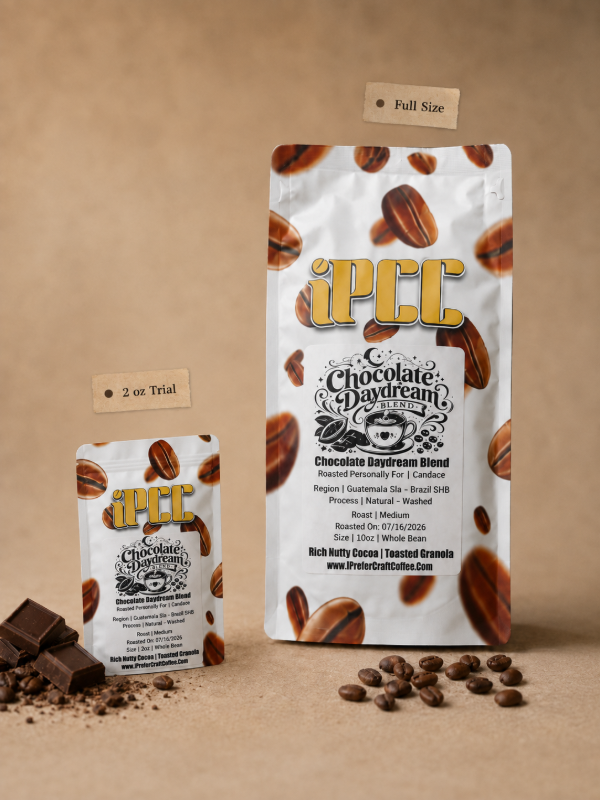
This article explains what makes the best coffee subscription for beginners, focusing on smaller trial sizes, guided variety, built-in tasting guidance, and easy swap or skip flexibility, so new specialty coffee drinkers can learn their palate with less financial risk than buying random bags on their own.

Best Coffee Bean Delivery: Why Fast Isn't Enough
This article explains what makes the best coffee bean delivery, arguing that shipping speed alone is meaningless without coffee beans roasted to order, a clear shipping cutoff, and real human customer support during delays, and offers a practical checklist for evaluating any roaster's delivery promise.

Best Tasting Coffee at Home: Where to Start
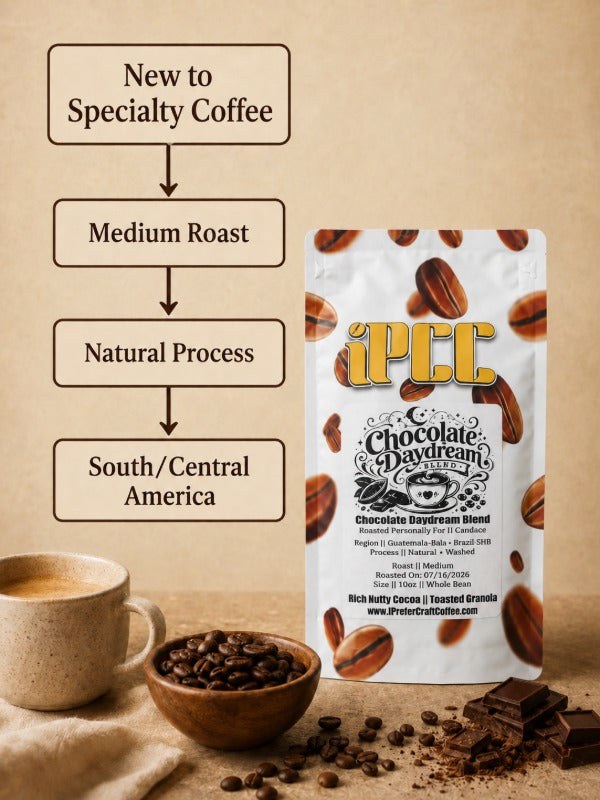
This article addresses the best tasting coffee at home as a genuinely subjective question, recommending a balanced, naturally processed medium roast from South or Central America as a starting point, and offering a simple tasting and note-taking method for home coffee lovers to discover their own preferences over time.


